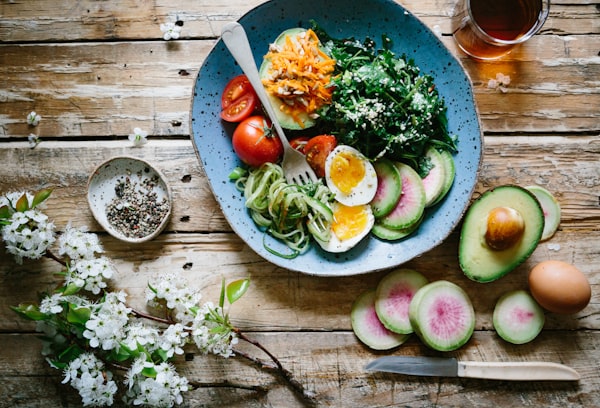
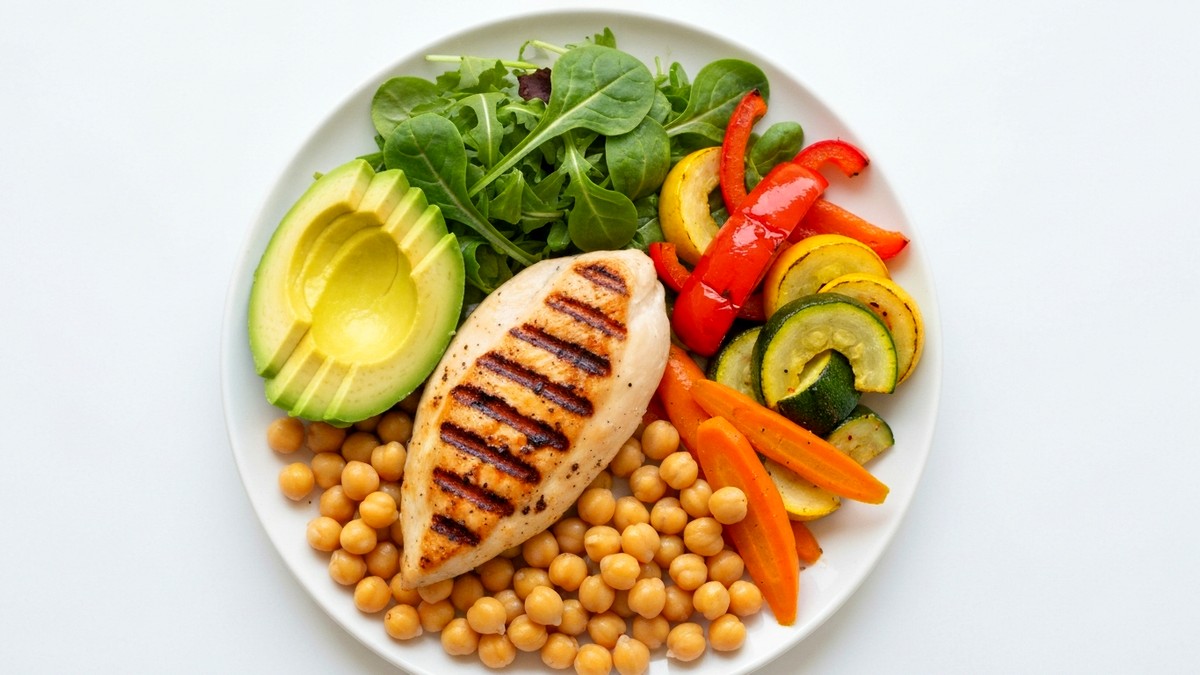
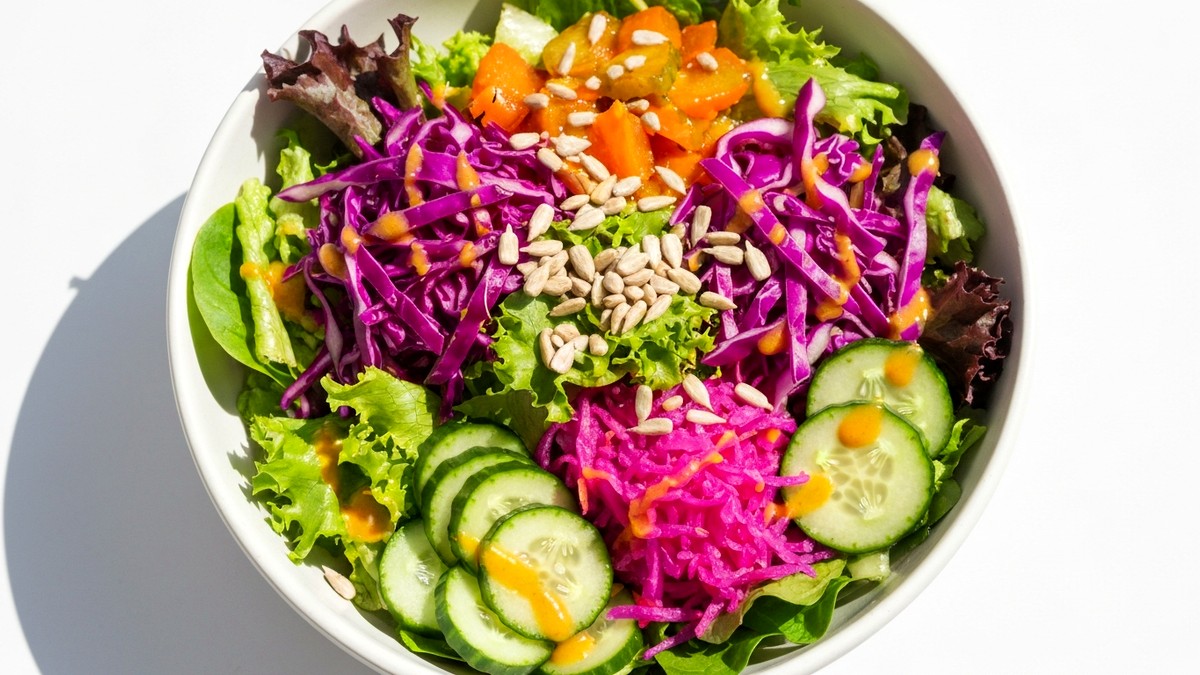
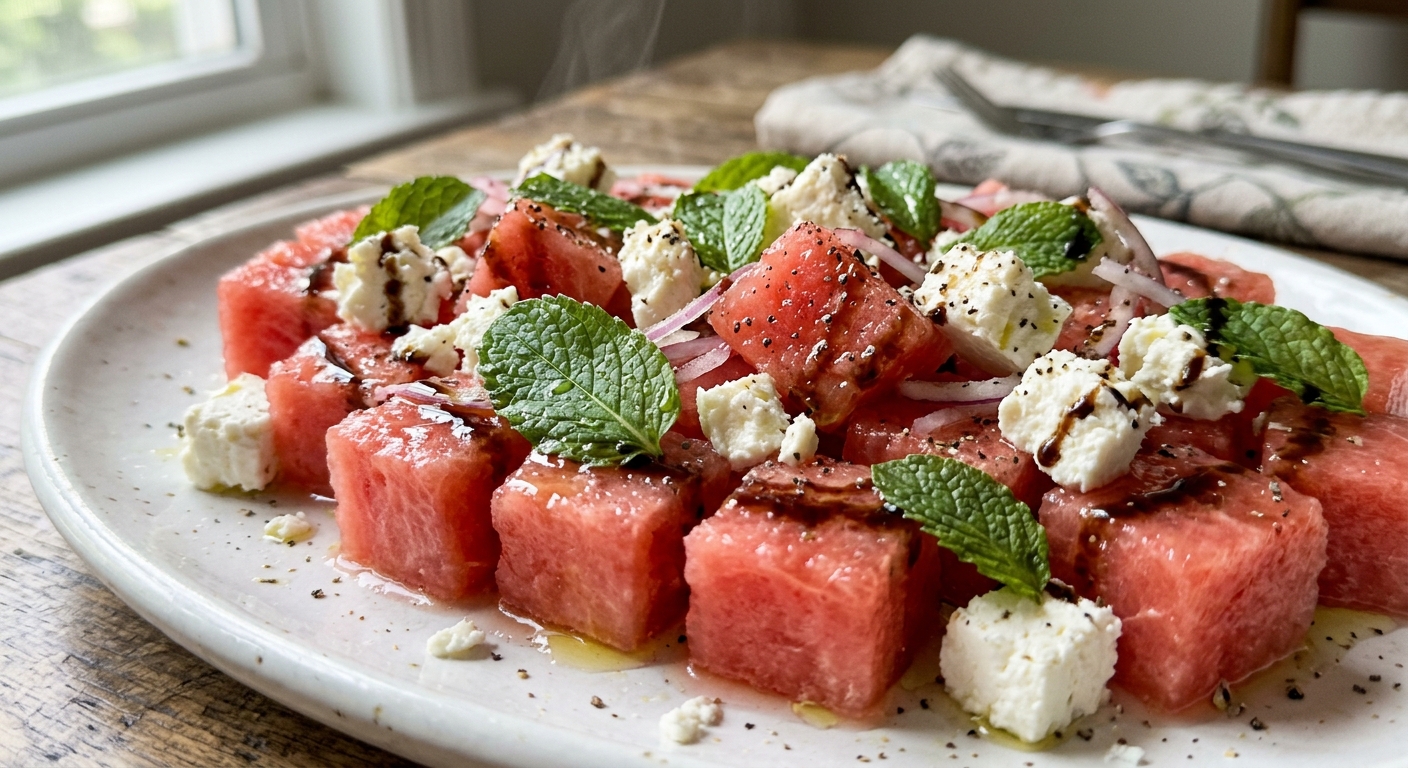
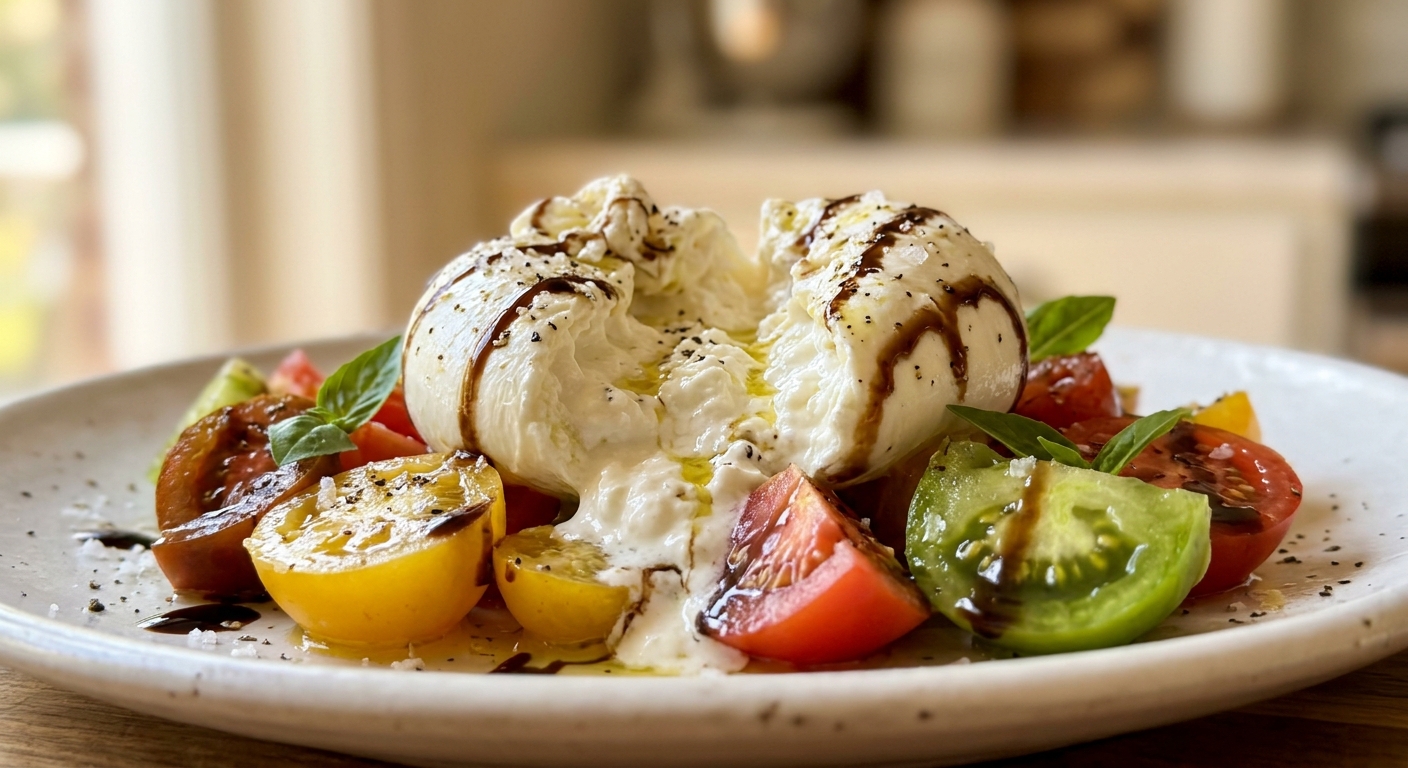
The Mediterranean diet consistently ranks as the world's healthiest eating pattern — and for good reason. Rich in whole grains, fresh vegetables, healthy fats, and lean proteins, it's been linked to reduced risk of heart disease, improved brain health, better weight management, and longer life.
But knowing a diet is healthy and actually following it are two different things. That's why I've created this complete 7-day meal plan — with every breakfast, lunch, dinner, and snack planned out for you, plus shopping lists and prep tips to make it effortless.
"The Mediterranean diet isn't a 'diet' in the traditional sense — it's a joyful way of eating that you'll want to follow for life."
What is the Mediterranean Diet?
At its core, the Mediterranean diet emphasizes:
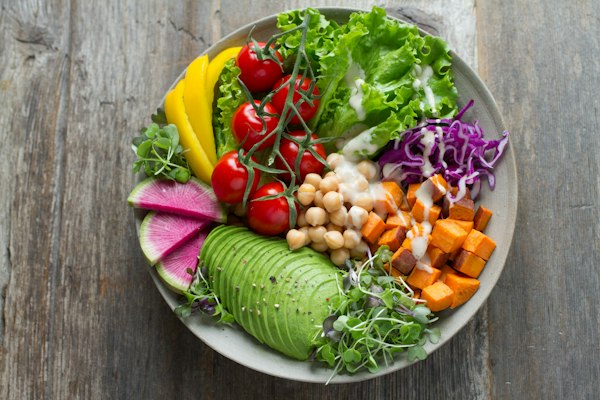
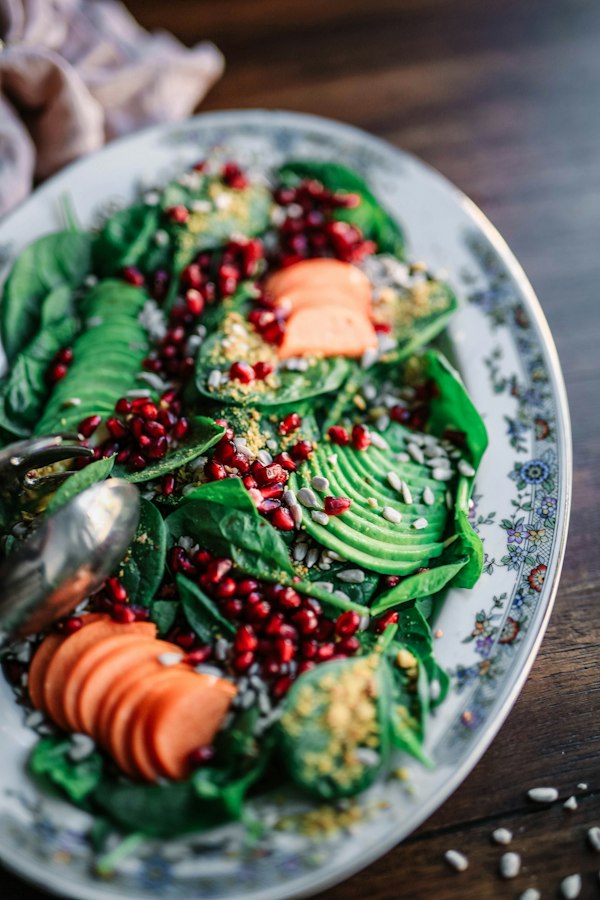
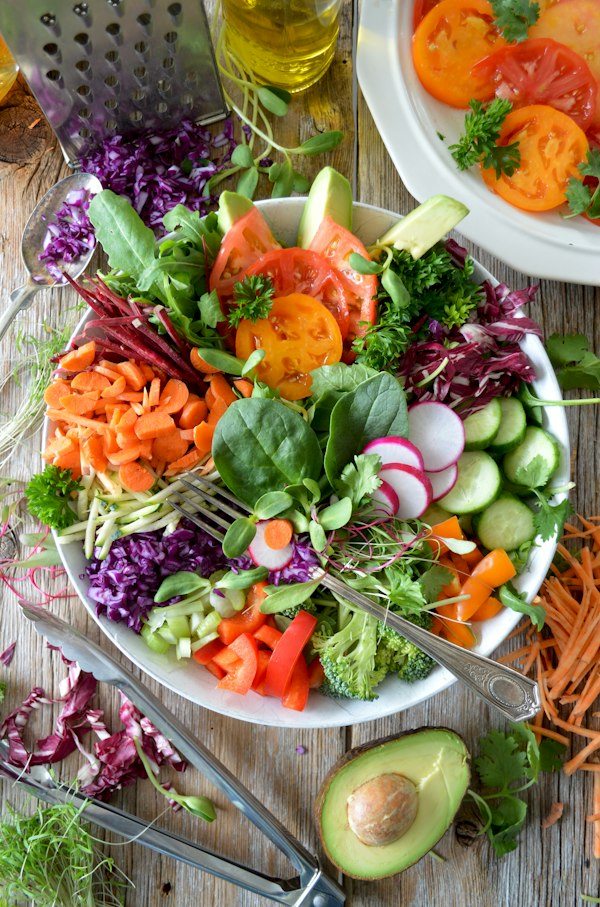
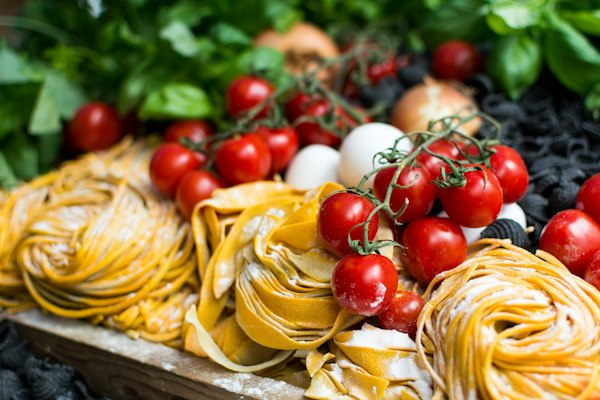
- Abundance of plants: vegetables, fruits, legumes, nuts, seeds, whole grains
- Olive oil as the primary fat source (replacing butter and refined oils)
- Fish and seafood at least twice a week
- Moderate amounts of poultry, eggs, and dairy
- Limited red meat (a few times per month)
- Herbs and spices instead of salt for flavor
🔬 What Science Says
A landmark study published in the New England Journal of Medicine found that people following a Mediterranean diet had a 30% lower risk of cardiovascular events compared to those on a low-fat diet. Multiple studies also show benefits for Alzheimer's prevention, diabetes management, and cancer risk reduction.
Your 7-Day Meal Plan
Day 1 — Monday: Kickstart Week
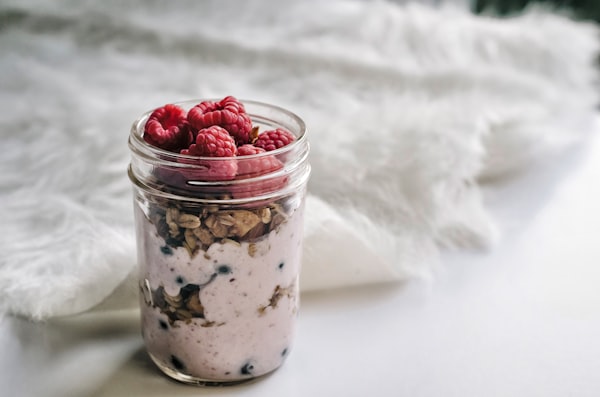
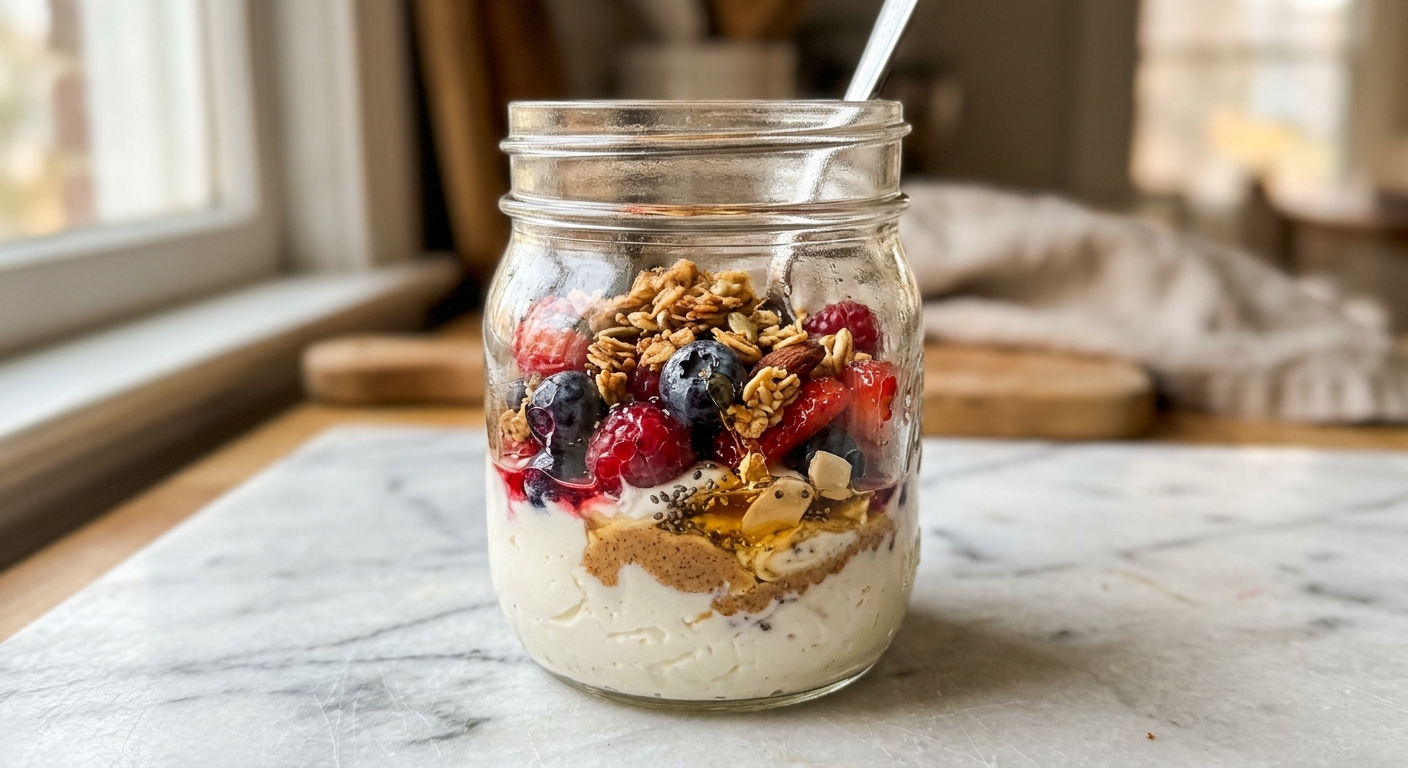
Breakfast: Greek yogurt with mixed berries, honey, and a handful of walnuts (approx. 320 calories)
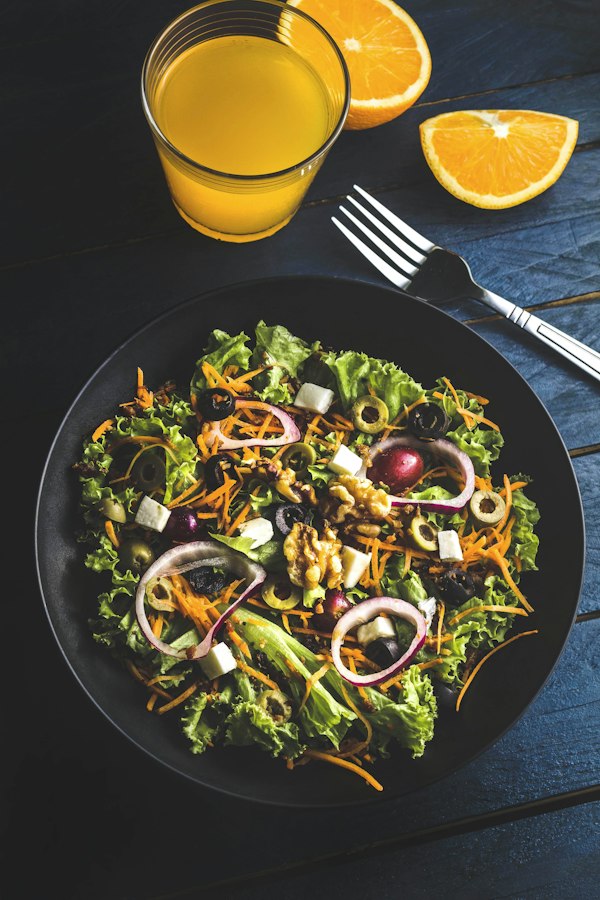
Lunch: Large Greek salad with feta, olives, cucumber, tomatoes, and wholegrain pita (approx. 480 calories)
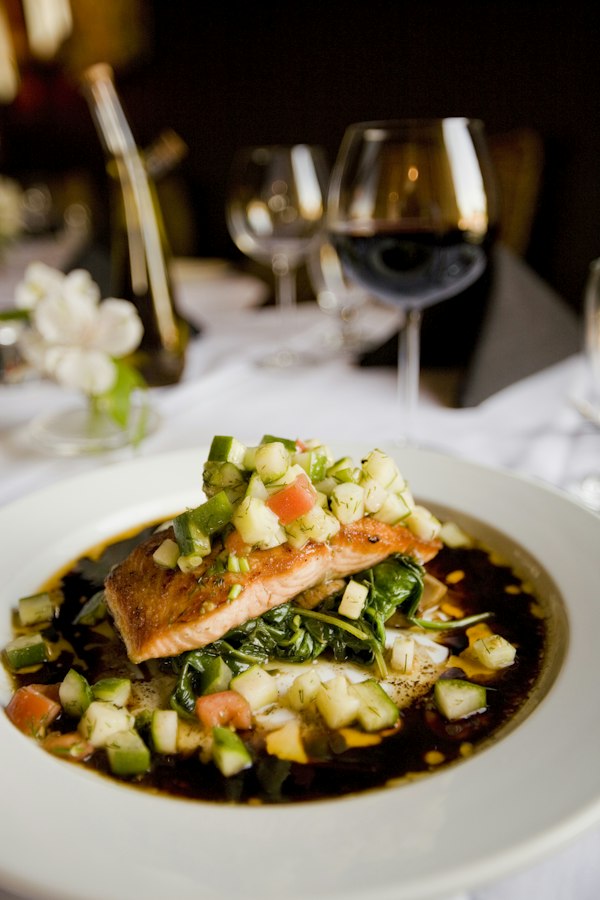
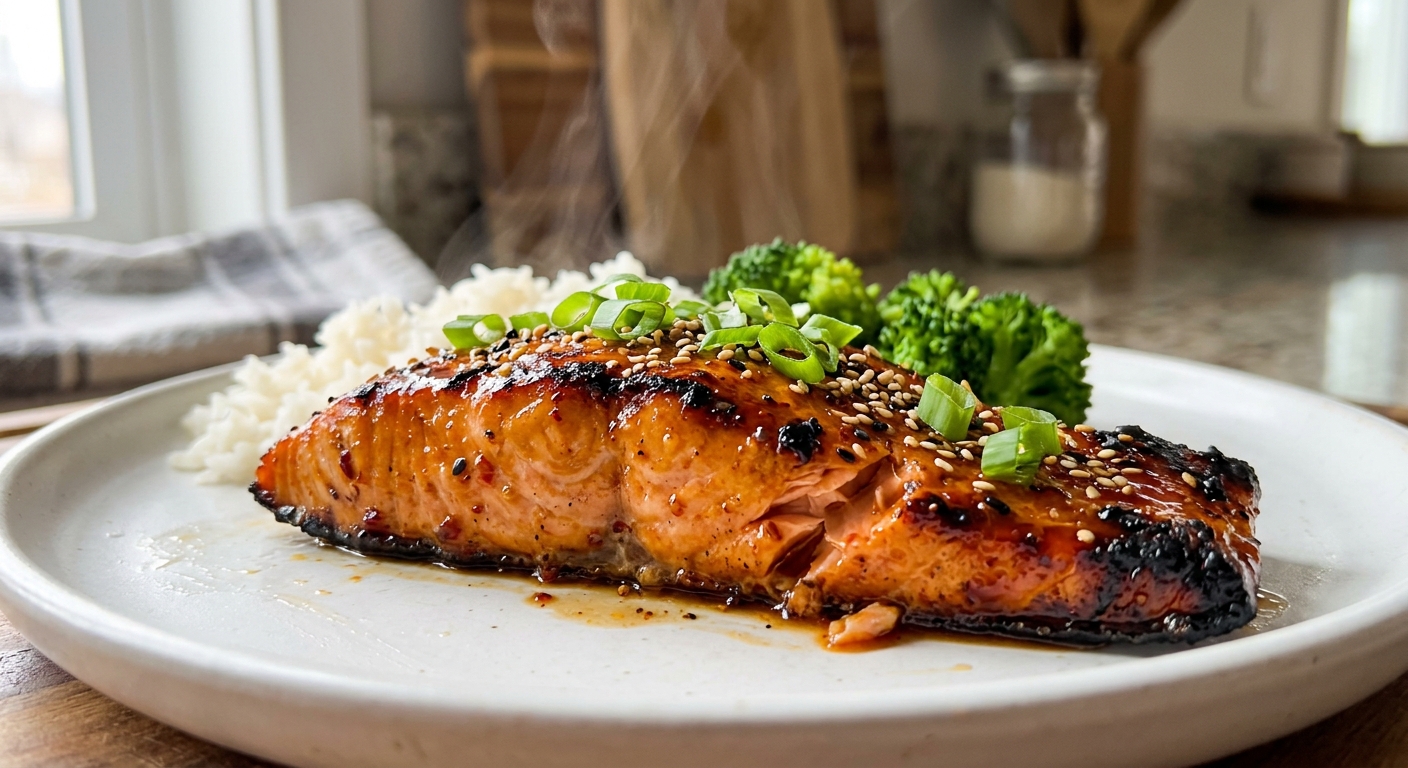
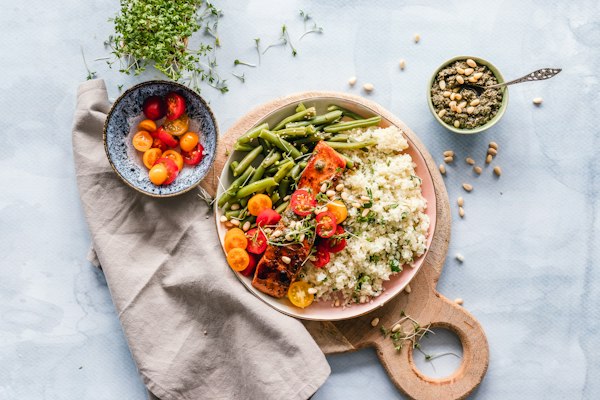
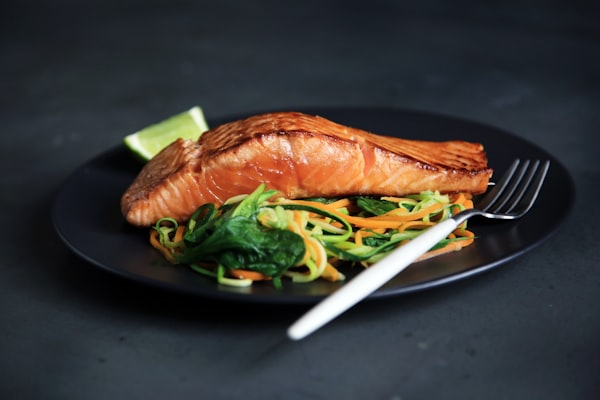
Dinner: Baked salmon with roasted Mediterranean vegetables and a side of couscous (approx. 520 calories)
Snack: A handful of almonds and an orange (approx. 180 calories)
Day 2 — Tuesday: Plant Power
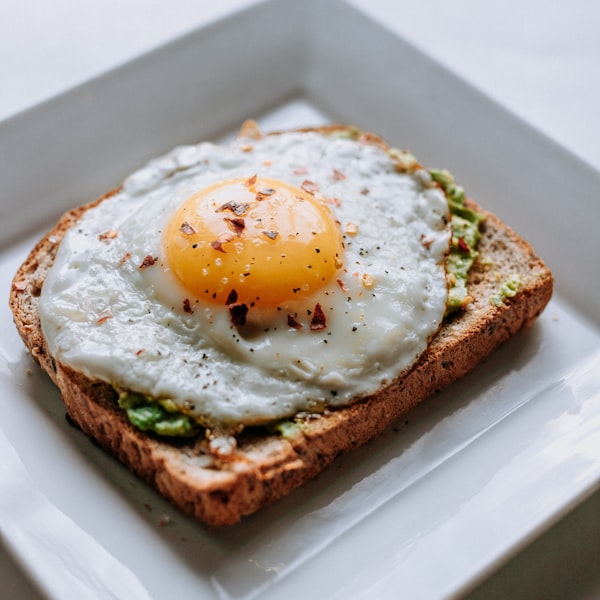
Breakfast: Whole grain toast with smashed avocado, cherry tomatoes, and a sprinkle of za'atar (approx. 380 calories)
Lunch: Lentil soup with crusty wholegrain bread and olive oil drizzle (approx. 420 calories)
Dinner: Chicken shawarma bowl with hummus, tabbouleh, and roasted chickpeas (approx. 560 calories)
Shopping List
Here's everything you'll need for the full week — organized by section to make your grocery run quick and efficient:
- Produce: cherry tomatoes, cucumber, red onion, spinach, lemons, oranges, mixed berries, garlic
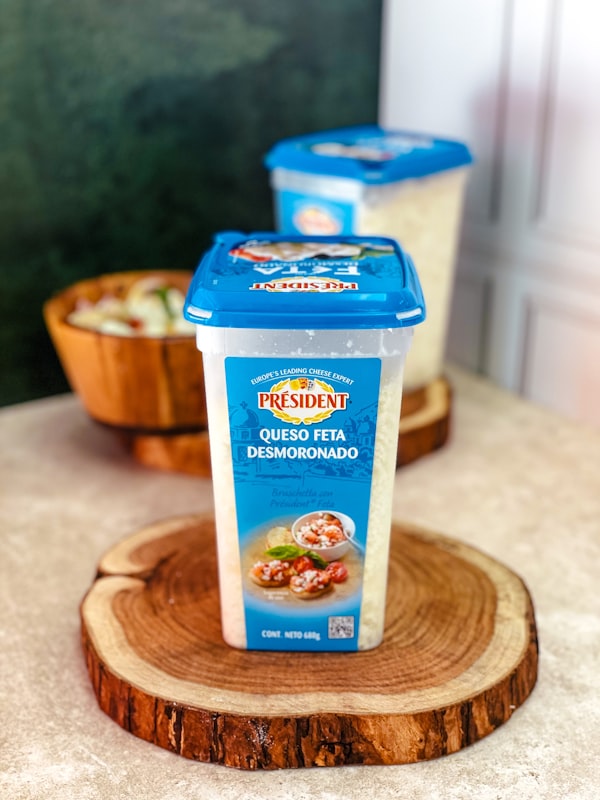
- Proteins: salmon fillets (2), chicken thighs (4), canned tuna (2), eggs (6), feta cheese
- Pantry: olive oil, olives, canned chickpeas, lentils, quinoa, couscous, wholegrain bread
- Dairy: Greek yogurt (large tub), halloumi, parmesan
Meal Prep Tips
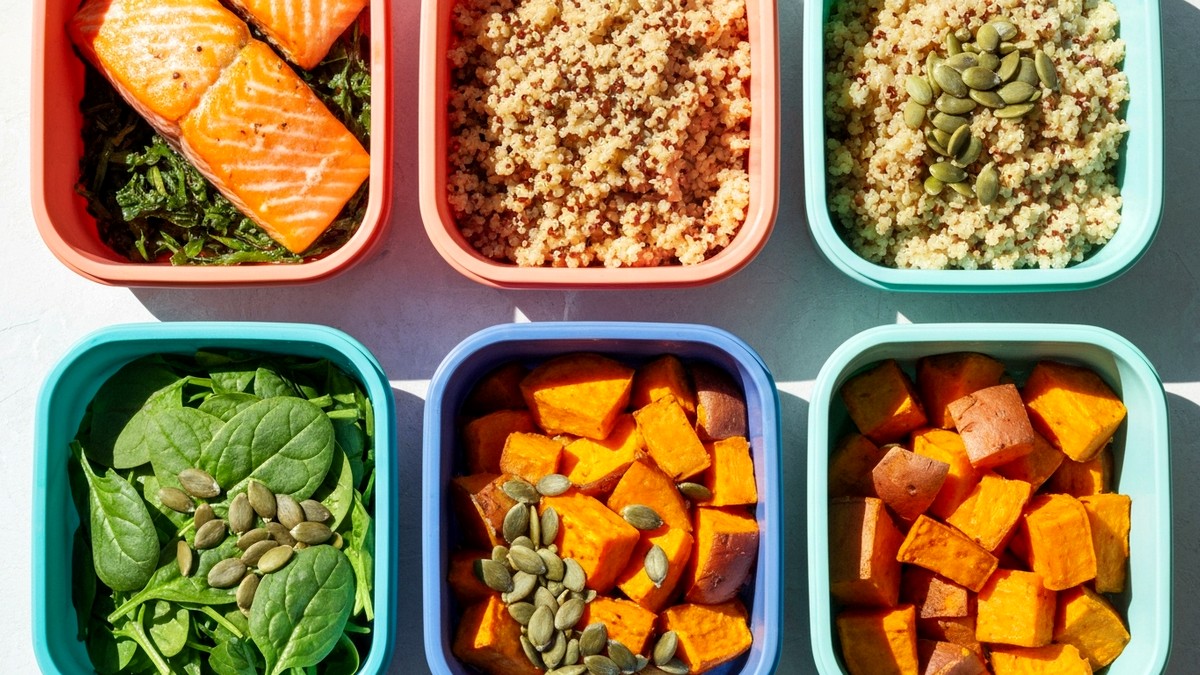
To make this week as smooth as possible, spend 2 hours on Sunday doing the following prep work:
- Cook a big batch of quinoa and couscous — they'll keep in the fridge for 5 days
- Roast a large tray of vegetables (peppers, courgettes, aubergine) to use across multiple meals
- Make a big pot of hummus or buy quality store-bought
- Wash and store all salad greens and vegetables so they're ready to grab
- Pre-portion snacks into small containers for the week
💡 Pro Tip
The Mediterranean diet is flexible! If you don't like a particular ingredient, swap it for something similar. Don't like salmon? Use any white fish. Don't eat meat? The plan works beautifully as vegetarian — just add extra legumes.
Nutrition Breakdown
This meal plan delivers approximately 1,800–2,000 calories per day, with macros split roughly as:
- Carbohydrates: 40–45% (from whole grains, legumes, vegetables)
- Healthy fats: 35–40% (olive oil, nuts, fish)
- Protein: 20–25% (fish, poultry, legumes, dairy)
This ratio supports sustained energy, muscle maintenance, and optimal brain function throughout the day. You'll notice you feel full longer thanks to the high fiber content of Mediterranean staples.