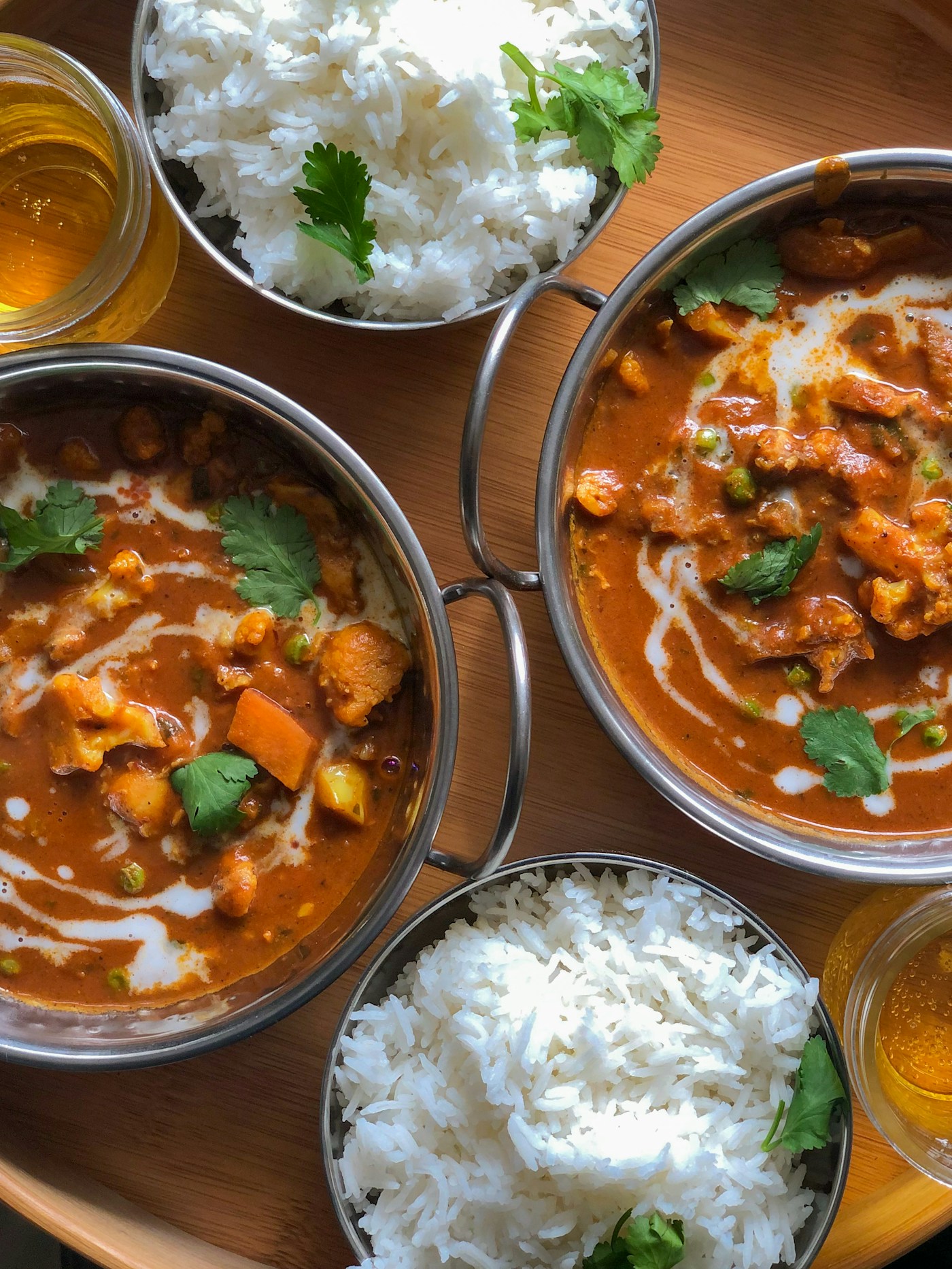
About This Recipe
Nutrition estimates based on USDA FoodData Central. Values are per serving and may vary.
Why You'll Love It
- The char on the chicken — broiled until smoky — adds a depth no restaurant delivery bag can replicate
- Velvety smooth sauce made by blending the cooked tomato base — no grainy bits, no chunks
- Uses Kashmiri chili powder for that vivid orange-red color without excessive heat
- Ready in 1 hour, even less if the chicken is pre-marinated the night before
- Freezes perfectly — make a double batch and freeze half for the easiest weeknight dinner
Best Chicken Tikka Masala Recipe
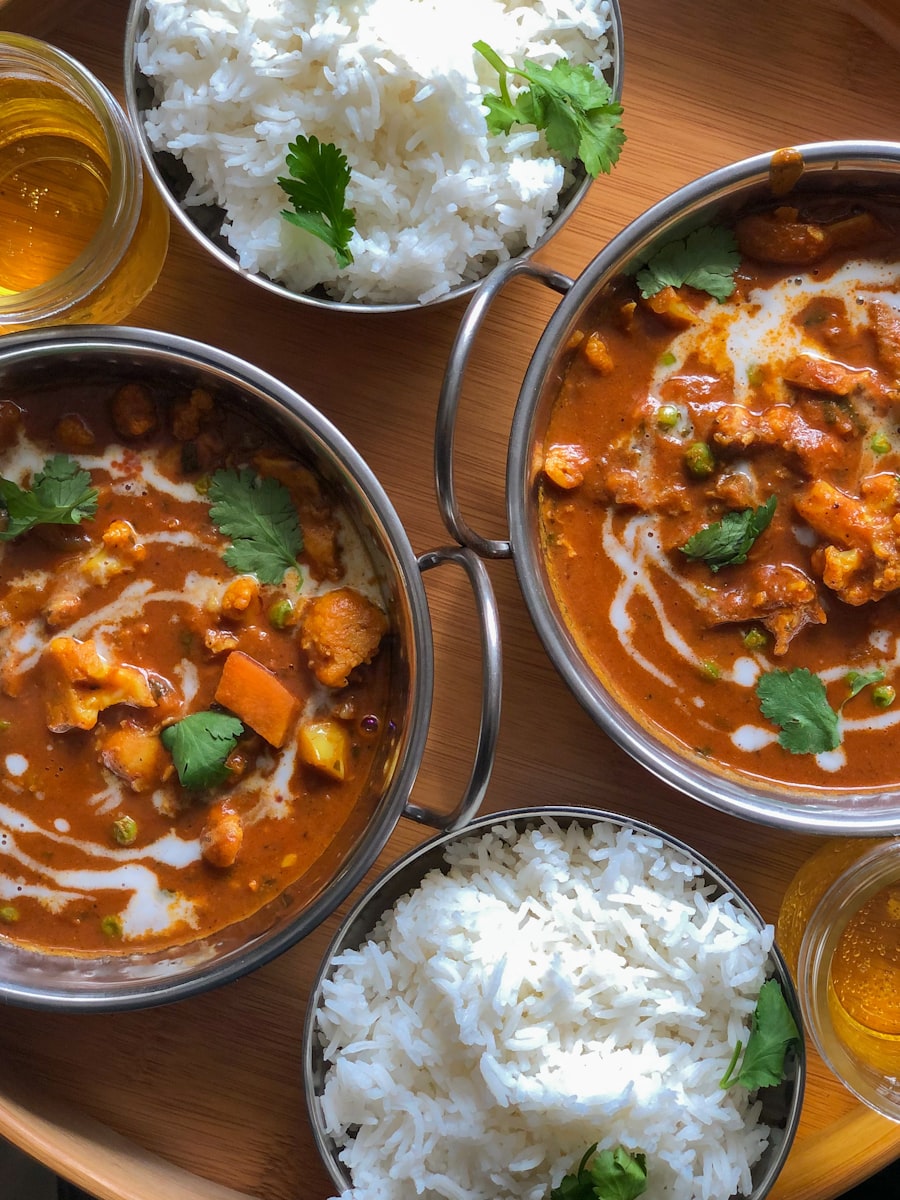
Ingredients
- Tikka Marinade
- 700g chicken thighs, chunked
- 200g full-fat Greek yogurt
- 1 tbsp lemon juice
- 2 tsp garam masala
- 1 tsp each: cumin, turmeric, Kashmiri chili, salt
- Masala Sauce
- 2 tbsp ghee or neutral oil
- 1 large onion, finely diced
- 4 garlic cloves, minced
- 2 tsp fresh ginger, grated
- 2 tsp garam masala
- 1 tsp each: coriander, cumin, Kashmiri chili, turmeric
- 1 can (400g) crushed tomatoes
- 240ml (1 cup) heavy cream
- 1 tsp sugar
- Salt to taste
Instructions
- 1Marinate chicken Mix marinade, coat chicken. Minimum 30 min, overnight preferred.
- 2Broil (char) Broil on high rack 10–12 min, turning once, until charred.
- 3Cook onions Sauté diced onion in ghee for 12 min until deeply golden.
- 4Add aromatics Garlic + ginger 2 min. All spices, stir 90 sec until fragrant.
- 5Simmer sauce Add crushed tomatoes. Simmer 15 min until oil separates.
- 6Blend smooth Blend sauce until silky. Return to pan.
- 7Finish Add chicken + cream + sugar. Simmer 10 min. Serve with rice or naan.
Ingredients
Step-by-Step Instructions
-
1
Marinate the chicken tikka
In a large bowl, combine Greek yogurt, lemon juice, garam masala, ground cumin, turmeric, Kashmiri red chili powder, and 1 tsp salt. Mix until uniform. Add the chicken thigh chunks and use your hands to coat every piece completely. Cover the bowl with cling film and refrigerate. 30 minutes is the minimum — overnight is the goal. The yogurt's lactic acid tenderizes the meat, and the overnight marinate allows the spices to penetrate all the way through each piece, not just the surface.
-
2
Char the chicken under the broiler
Position an oven rack close to the broiler element (15–20cm away) and set the broiler to maximum heat. Thread the marinated chicken chunks onto metal skewers, or spread them in a single layer on a wire rack set over a foil-lined baking sheet. Broil for 10–12 minutes, turning once halfway, until the chicken has deep dark char spots and the edges are slightly blackened. This char is not burning — it is Maillard reaction flavor. It's what gives tikka masala its distinctive smokiness that a stovetop-only version can never achieve. Check doneness (internal temp 74°C/165°F) but don't overcook.
-
3
Build the golden onion base
While the chicken broils, heat ghee or neutral oil in a large, heavy-bottomed saucepan over medium heat. Add the finely diced onion with a pinch of salt. Cook, stirring occasionally, for 12–15 minutes until the onions are deeply golden — almost amber. Don't rush this step. The caramelization of the onion sugars creates the foundation of flavor that the sauce is built on. Pale, undercooked onions produce a sharp, raw-tasting masala.
-
4
Bloom the aromatics and spices
Add minced garlic and grated ginger to the golden onions. Stir constantly for 2 minutes until fragrant and the raw garlic smell is gone. Add all the masala spices: garam masala, ground coriander, ground cumin, Kashmiri red chili powder, and turmeric. Stir continuously for 90 seconds — the spices will bloom in the oil, darkening slightly and releasing their essential oils. The kitchen should smell intensely aromatic at this point. Don't leave the pan — spices burn quickly.
-
5
Simmer the tomato sauce until it separates
Pour the crushed tomatoes into the spiced onion base. Stir to combine thoroughly. Bring to a boil, then reduce to a gentle simmer. Cook for 15 minutes, stirring occasionally, until the sauce has thickened noticeably and you can see the orange oil separating around the edges of the pan and pooling on the surface. This separation — known as bhunao — tells you the tomatoes are fully cooked and the sauce is ready for cream. If the sauce sticks, add a splash of water.
-
6
Blend for restaurant-smooth texture
Remove from heat. Use an immersion blender directly in the pot to blend the tomato-spice sauce until completely smooth — no chunks, no bits of onion. Alternatively, transfer in batches to a regular blender. A smooth sauce is what separates restaurant tikka masala from a home curry that looks chunky. Return the blended sauce to the saucepan over medium-low heat.
-
7
Add chicken and cream, finish the masala
Add the charred chicken tikka pieces directly to the smooth masala sauce. Pour in the heavy cream and add 1 tsp sugar (the sugar balances the acidity of the tomatoes — don't skip it). Stir gently to combine. Simmer on low heat for 10 minutes until the chicken is completely tender, the cream is fully incorporated, and the sauce is a beautiful vivid orange-red. Taste carefully and adjust salt. Finish with a small handful of fresh cilantro. Serve over basmati rice with warm naan for the full experience.
Pro Tips
- Use Kashmiri red chili powder. This mild, brilliantly red chili powder is what creates the signature color without making the dish fiery hot. Cayenne or regular chili powder will create heat but not the same deep red. Find it at any Indian grocery store.
- Full-fat everything. Full-fat Greek yogurt for the marinade, full-fat coconut cream or heavy cream for the sauce. Low-fat substitutes cause the sauce to separate and look unappetizing.
- Cook the onions properly — don't rush. 12–15 minutes of patience produces a sauce with 3× the depth of flavor. Set a timer and let the onions caramelize.
- The bhunao separation is your signal. The sauce is ready for cream when the oil separates and floats on top. This means all tomato moisture has cooked out and the masala is at peak flavor concentration.
- Don't add raw chicken — always char first. This is the single biggest difference between home tikka masala and restaurant tikka masala. The char is the flavor.
Tikka Masala Variations
- Paneer Tikka Masala: Replace chicken with cubed paneer, broiled in the same marinade. Perfect vegetarian version.
- Lamb Tikka Masala: Use boneless lamb leg cut into 4cm cubes. Marinate 4+ hours. Broil and finish the same way.
- Dairy-Free Version: Use coconut yogurt for the marinade and full-fat coconut cream instead of heavy cream. Slightly sweeter, equally rich.
- Tikka Masala Pizza: Use the masala sauce as a pizza base, top with cooked chicken tikka, mozzarella, red onion, and cilantro. Bake 230°C until bubbling.
- Spicier Version: Double the Kashmiri chili and add 1–2 tsp of green chili paste with the garlic and ginger for real heat.
Frequently Asked Questions
Nutrition Per Serving